
Long View of the Horizon
How can you transform your organization in the next three years? Now ask yourself a harder question: Which actions are you taking today to create that future?
Most leaders spend too little time thinking about the future.
Immediate problems, staffing concerns, funding pressures, board issues and daily responsibilities can shorten a leader's horizon until nearly every decision becomes reactive. You stop asking where the organization needs to be three years from now and begin asking only how to get through this week.
That is a dangerous place for a leader to remain.
When you know what you want your organization to look like in the future, today's decisions begin to take on a different meaning. You can determine which opportunities deserve your attention, which problems must be solved, which relationships need to be developed and which activities are simply consuming time.
When Your Horizon Gets Too Short
Fear and anxiety have a way of shrinking our field of vision. When leaders are surrounded by financial pressure, internal conflict or constant crisis, they can begin operating with little more than a 24-hour horizon.
Everything becomes urgent. Every problem seems equally important. Strategic thinking gets replaced by reaction.
Ironically, this is often the moment when a longer horizon is needed most. A leader has to regain enough perspective to ask not only, “How do we solve today's problem?” but also, “What kind of organization are we trying to create?”
Start With the Future and Work Backward
Great leaders do not simply hope a better future appears. They develop a picture of what they want, seek guidance, create a plan and then act. Just as importantly, they pay attention to whether they are actually moving toward that future or drifting away from it.
A long-term vision does not eliminate uncertainty. Funding will change. People will leave. Programs will evolve. Opportunities you cannot see today will appear later.
The point is not to predict every detail. The point is to establish enough direction that you can make today's decisions intentionally.
If you want your organization to be substantially larger three years from now, begin asking where that growth will come from. What relationships need to be developed? What capabilities will your team need? What new sources of revenue should you explore? What services should you strengthen, change or stop providing?
Those questions change the way you spend your time today.
Handle the Present Without Being Trapped by It
Having a long horizon does not mean ignoring today's problems. Leadership still requires addressing difficult employees, meeting financial obligations, responding to funders and solving operational problems.
The difference is that the present no longer gets to determine your entire future.
You can handle today's situation powerfully while still protecting time to think, plan, build relationships, develop your people and create what comes next.
Take time this week to ask:
1. What future are we actually trying to create?
2. Are today's decisions moving us toward it?
3. What are we spending time on that will not matter three years from now?
4. What relationships, capabilities or resources do we need to begin developing now?
5. What could we start doing today that would make our organization significantly different three years from now?
Your organization's future will not be created someday. It is being created by the decisions, priorities and actions you take today and every day going forward.
Build an Organization That Lasts
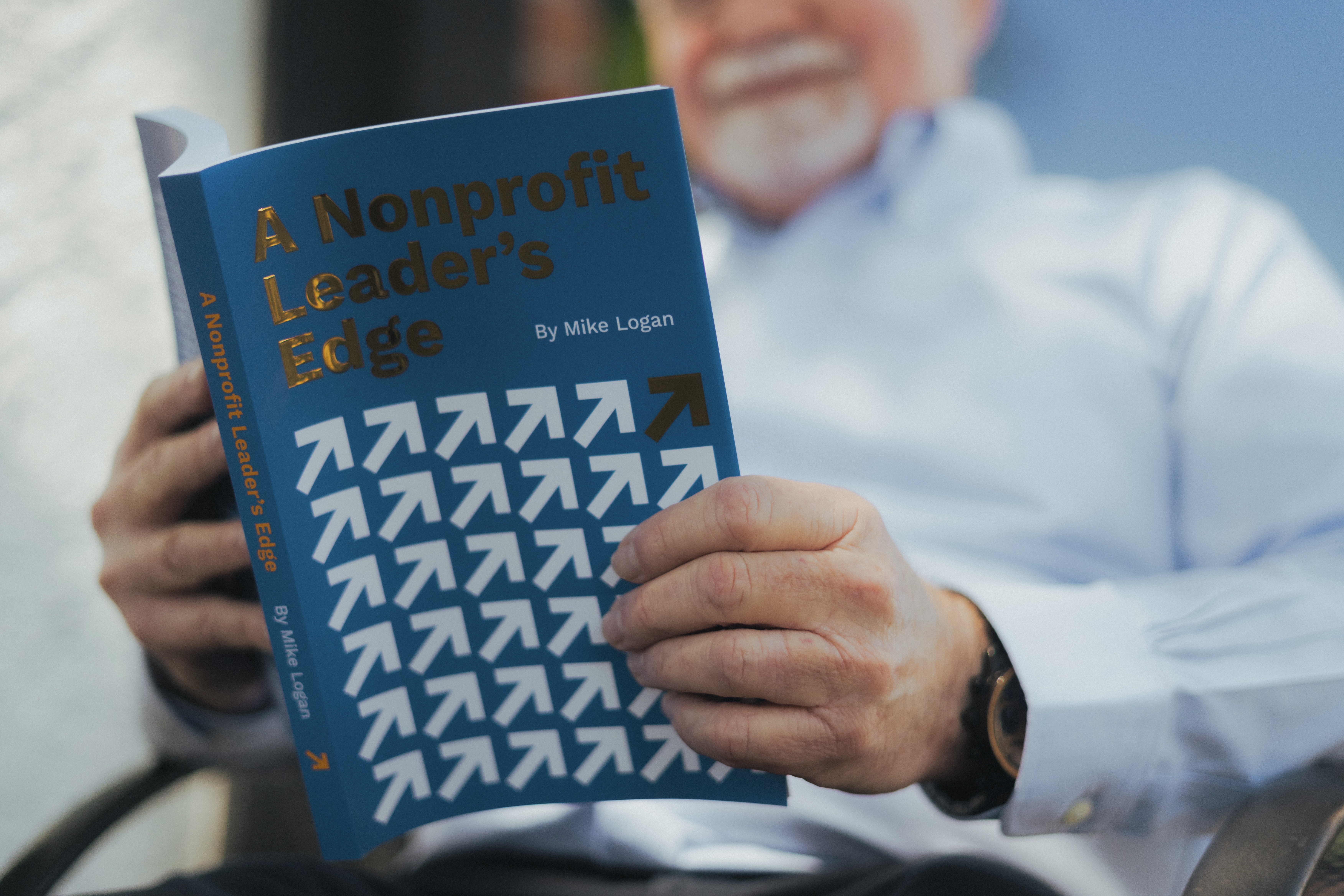
A Nonprofit Leader's Edge draws from Mike Logan's decades of nonprofit leadership experience and explores practical approaches to vision, systems, leadership development, accountability, growth and organizational sustainability.
Get A Nonprofit Leader's Edge